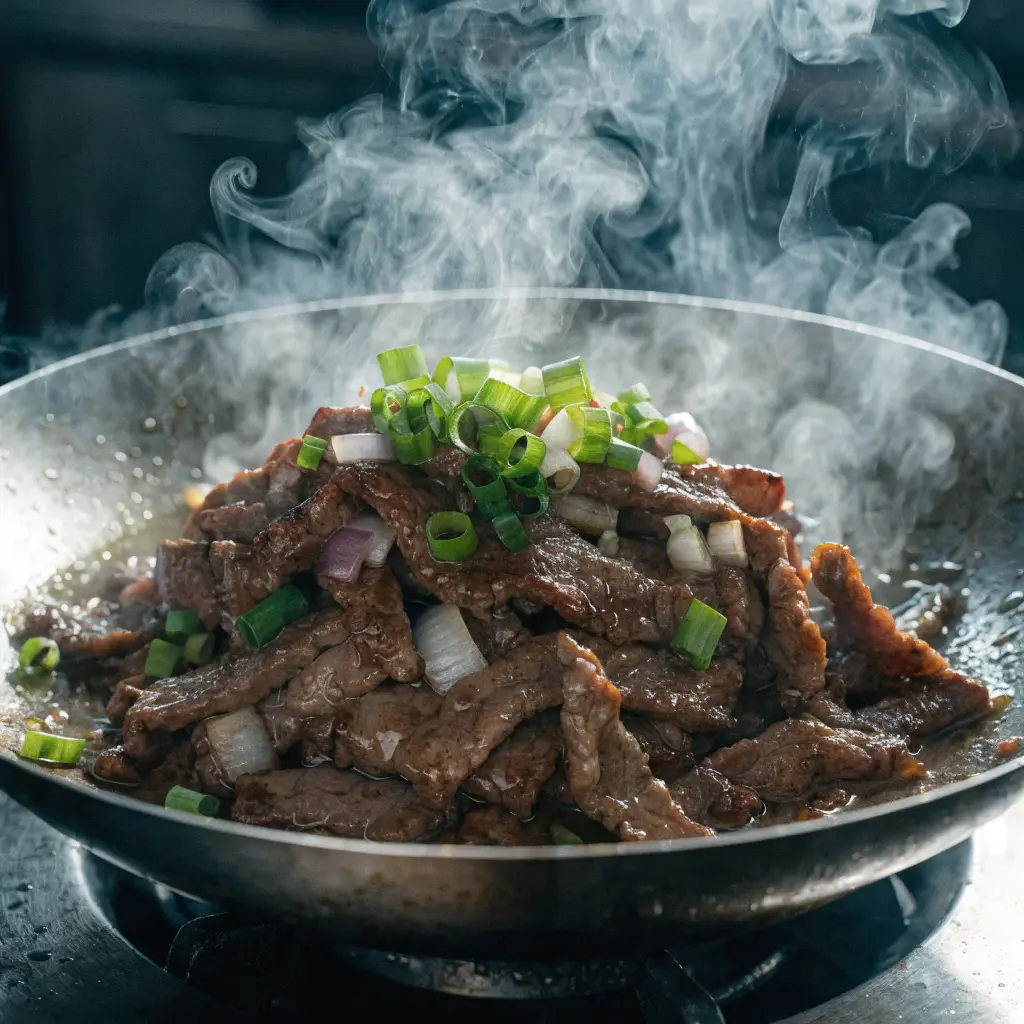
Have you ever eaten beef stir fry at a restaurant and thought:
“How is their beef so soft and tender… but mine turns chewy at home?”
You’re not imagining it. Restaurants use a few proven techniques that make thin sliced beef incredibly tender even when using cheaper cuts of meat.
The best part? Most of these methods are simple enough to do in your own kitchen.
In this guide, you’ll learn exactly how restaurants make thin sliced beef so tender, and how you can copy the same results at home.
(For the full system from start to finish, check this complete guide on how to keep thin sliced beef tender.)
Table of Contents
Secret 1: Velveting Beef (The 1 Restaurant Trick)
The most common restaurant method is called velveting.
Velveting creates that smooth, soft texture you often notice in Chinese takeout beef dishes.
How velveting works
Restaurants coat thin sliced beef in a mixture that protects the surface of the meat. This prevents moisture loss and keeps the muscle fibers from tightening too quickly.
The result is beef that stays juicy and tender, even when cooked on high heat.
To learn the full velveting breakdown, read: Should You Use Cornstarch on Thin Sliced Beef?
Secret 2: Cornstarch Coating (Moisture Protection)
Cornstarch is one of the biggest reasons restaurant beef feels tender.
Why cornstarch works
Cornstarch forms a thin barrier around the meat. That coating:
- locks in juices
- prevents dryness
- creates a silky texture
Restaurants often combine cornstarch with soy sauce and oil for maximum effect.
If you want the best marinade combinations, check: Best Marinades for Thin Sliced Beef.
Secret 3: Baking Soda Tenderizing (Used More Than You Think)
Yes many restaurants use baking soda, especially for tougher cuts like round steak.
Why baking soda tenderizes beef
Baking soda raises the pH of the meat, which makes it harder for proteins to tighten during cooking. This prevents that rubbery, chewy texture.
This technique is especially popular in Chinese kitchens because it works fast.
To do it correctly at home, follow this guide: How to Tenderize Thin Sliced Beef Before Cooking.
Secret 4: They Cook Beef Separately (Then Add It Back Later)
One of the biggest differences between restaurant stir fry and home cooking is the order of cooking.
What most people do at home
They cook beef, vegetables, and sauce all at the same time.
That usually leads to:
- steaming instead of searing
- overcooking
- chewy beef
What restaurants do instead
Restaurants usually cook beef first, remove it from the pan, then cook vegetables and sauce separately. The beef gets added back at the very end.
This prevents overcooking and keeps the beef tender.
Secret 5: Extremely High Heat Cooking (High BTU Burners)
Restaurants cook on burners that are much hotter than most home stoves.
This is important because high heat allows beef to:
- sear quickly
- stay juicy inside
- cook fast without drying out
At home, you can mimic this by:
- using a wok or cast iron pan
- preheating longer than you think
- cooking in small batches
For a full cooking breakdown, read: How to Cook Thin Sliced Beef.
Secret 6: Cooking in Batches (Never Overcrowding the Pan)
Restaurants almost never overcrowd the pan.
Why overcrowding makes beef tough
When too much beef is added at once, it releases moisture. Instead of browning, the beef steams in its own juices.
Steaming causes chewy texture fast.
Restaurants avoid this by cooking beef in small portions, removing it, and repeating.
This single habit makes a massive difference in tenderness.
Secret 7: They Choose the Right Cuts for Thin Slicing
Restaurants don’t always use expensive beef, but they do choose cuts that work well for quick cooking.
Best restaurant-style cuts for thin beef
- ribeye
- sirloin
- flank steak
- skirt steak
Tougher cuts that need tenderizing
- round steak
- chuck
- brisket (thin sliced)
If you use tougher cuts without tenderizing, your beef will likely turn chewy.
If you’re dealing with chewy beef often, read: Why Thin Sliced Beef Gets Tough (And How to Fix It).
Secret 8: Sauce Timing Matters (They Add Sauce at the Right Time)
Restaurants don’t drown beef in sauce early.
Why sauce timing affects tenderness
If beef sits in sauce too long while cooking, it continues to cook and tighten. It can also boil instead of sear.
Restaurant method
- cook beef first
- cook sauce separately
- return beef to pan at the end
- toss quickly and serve
This keeps the beef tender and prevents it from becoming overcooked.
The Full Restaurant Method (Copy This at Home)
If you want restaurant-style tender beef, follow this exact step-by-step system.
Step 1: Slice correctly
Slice thin and always cut against the grain.
Step 2: Tenderize (optional but recommended)
Use baking soda for 15–20 minutes, then rinse and dry.
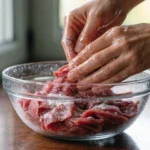
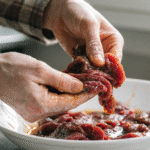
Step 3: Velvet the beef
Coat beef with:
- soy sauce
- cornstarch
- oil
Rest for 10–20 minutes.
Step 4: Preheat your pan
Heat wok or skillet until very hot.
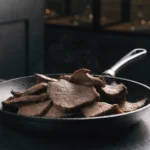
Step 5: Cook in batches
Sear beef quickly, then remove immediately.
Step 6: Cook vegetables and sauce
Do this separately while beef rests.
Step 7: Add beef back at the end
Toss for 20–30 seconds, then serve.
This method is exactly how many takeout restaurants get soft beef every time.
Quick Restaurant-Style Stir Fry Beef Recipe (5 Minutes)
Here’s a simple recipe using restaurant technique.
Ingredients
- 300g thin sliced beef
- 1 tbsp soy sauce
- 1 tbsp oyster sauce
- 1 tbsp cornstarch
- 1 tsp oil
- 2 cloves garlic
- 1 cup vegetables (broccoli, peppers, onions)
Instructions
- Mix beef with soy sauce, cornstarch, and oil
- Rest 15 minutes
- Heat pan until very hot
- Cook beef in batches (30–60 seconds)
- Remove beef
- Cook vegetables
- Add sauce
- Add beef back and toss 20 seconds
- Serve immediately
Final Takeaway
So how do restaurants make thin sliced beef so tender?
They combine a few simple techniques:
- velveting with cornstarch
- baking soda tenderizing
- high heat fast cooking
- batch cooking
- adding beef back at the end
If you apply even two of these, you’ll notice a huge improvement.
To master the full tenderness system, read the main guide: How to Keep Thin Sliced Beef Tender (internal link to cluster).
FAQ
Do restaurants use baking soda on beef?
Yes, many restaurants use baking soda to tenderize beef quickly, especially for stir fry dishes.
What is velveting beef?
Velveting is a technique where beef is coated with cornstarch (and sometimes egg white) to protect it from drying out during cooking.
Why is Chinese restaurant beef so tender?
Because they velvet the beef, cook on very high heat, and avoid overcooking by cooking in batches.
How do I make my beef taste like takeout?
Use cornstarch coating, cook quickly on high heat, and add sauce at the end.
What’s the biggest secret to tender stir fry beef?
Cooking fast and removing the beef early. Overcooking is the #1 reason beef turns chewy.